
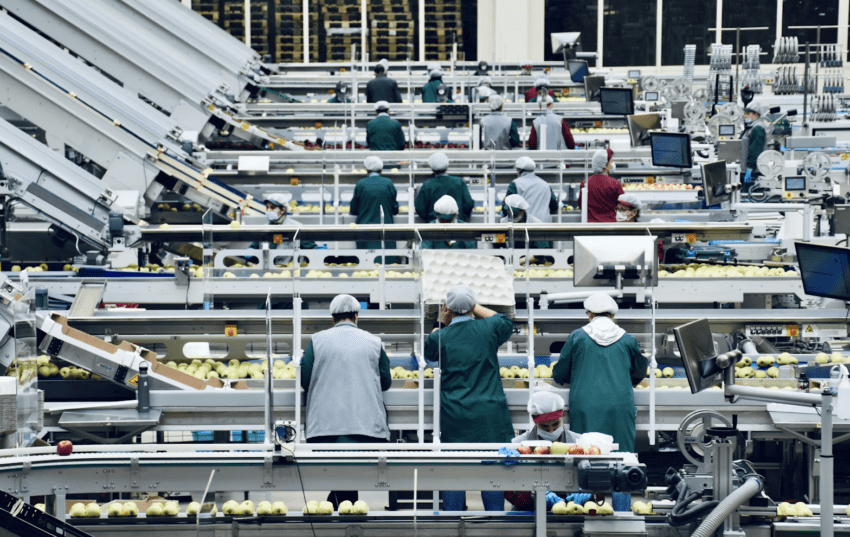
In food manufacturing, a recall can quickly erode customer confidence, interrupt production, and create significant financial exposure. Although contamination incidents may appear sudden, they often develop gradually within everyday operations. In many cases, the underlying issue is rooted in equipment design rather than a single human mistake.
Hidden Vulnerabilities and the Risk of Recall In Equipment
Food production teams work hard to uphold strict sanitation standards. However, machinery that was not designed with hygiene as a primary consideration can introduce ongoing risk. Flat surfaces that retain residue, small gaps that trap debris, and hard to access components make effective cleaning more difficult. Over time, these design shortcomings can create environments where bacteria survive and multiply.
Aging systems may add further complications. Equipment that has been altered or upgraded multiple times to meet changing production needs may no longer reflect current hygienic design principles. Without features such as integrated cleaning systems or simplified disassembly, sanitation teams must compensate manually. These workarounds increase the chance of incomplete cleaning and missed contamination points.
Design as a Preventive Measure
Forward looking manufacturers are shifting their focus toward equipment engineered to reduce contamination risk from the outset. Smooth contours, continuous welds, and sloped surfaces that promote drainage help eliminate microbial harborage areas. These features do more than satisfy compliance standards. They actively support safer daily operations.
Automation further enhances this approach. By limiting manual handling and reducing human contact with product, facilities lower one of the most common sources of contamination. Equipment designed to streamline production processes not only improves efficiency but also strengthens safety controls.
Supporting Infrastructure Strengthens Protection
Preventing recalls extends beyond the equipment itself. Consistent maintenance programs, ready access to replacement parts, and reliable technical support are essential components of a preventive strategy. Monitoring systems that detect irregularities early allow facilities to address small concerns before they escalate into large scale problems.
Employee training also reinforces prevention efforts. When staff work with machinery that is intuitive, accessible, and easy to sanitize, they can uphold high standards with greater confidence and consistency.
Designing for Long Term Stability and Recall Prevention
Avoiding the recall cycle requires more than reacting to issues after they surface. It requires building systems that minimize risk from the beginning. When hygienic design, maintainability, and operational oversight are integrated into equipment selection and facility planning, the entire organization benefits.
By prioritizing thoughtful equipment design and comprehensive support systems, food manufacturers can reduce contamination risks, safeguard consumers, and protect the long term integrity of their brand.
Explore how intentional equipment design and proactive process planning come together to reduce risk in the visual breakdown of the recall lifecycle from Bak Food Equipment, a provider of smoking food equipment.


- Building M&A Success: Strategy, Flexibility and Execution
- Avoiding the Recall Spiral: Why Equipment Design Demands Greater Focus
- The Foundation of Merger And Acquisitions Success: Strategy, Flexibility, and Precision
- For Manufacturers, Quality Control Should be a Sales MVP
- Investing in Retention: How Benefits Support a Stronger Workforce